There is no single right time to visit Ruaha, but there are two very different parks depending on when you go. The dry season is the classic time for game viewing. The green season trades easy sightings for colour, birds and new life. Knowing what each brings helps you choose the trip that suits you.
The dry season
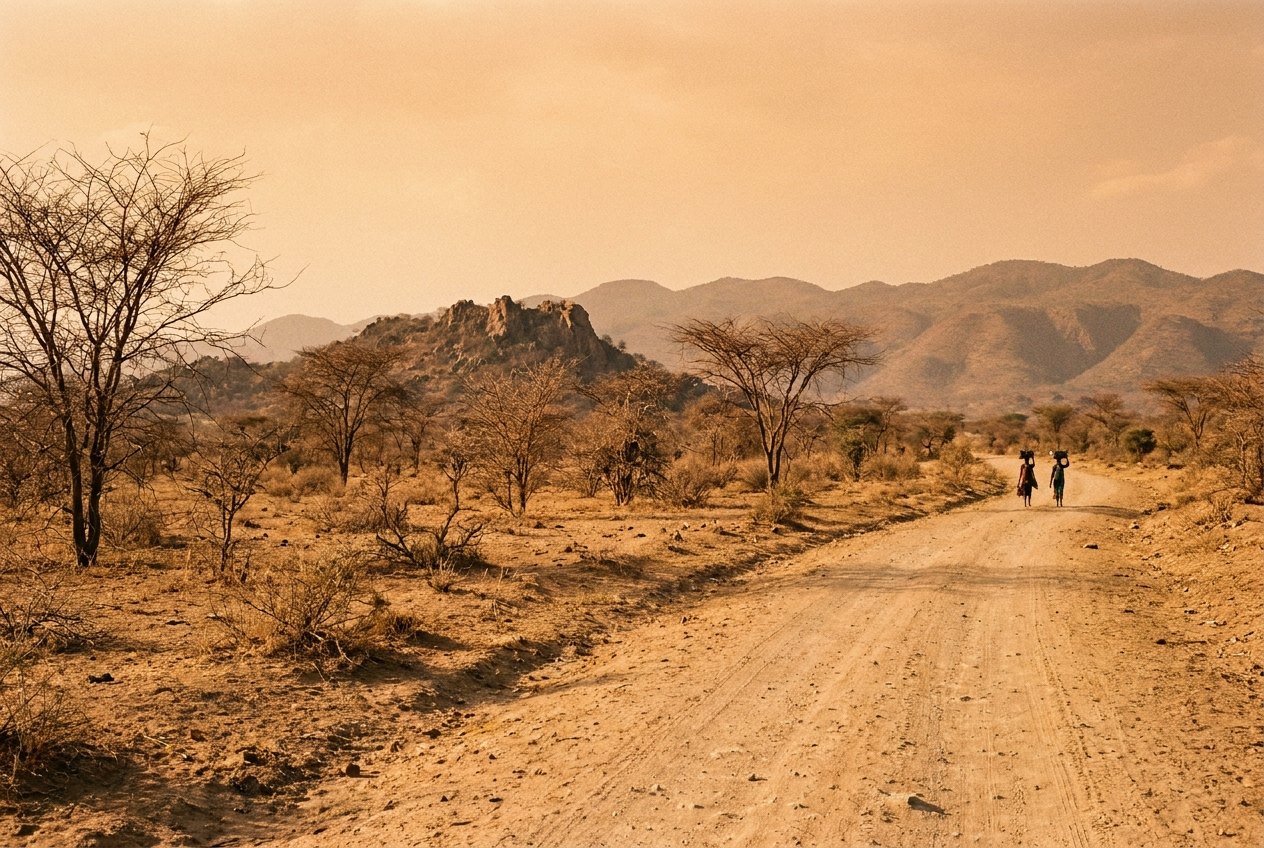
The dry season runs roughly from June to October, sometimes stretching into early November. As the weeks go by the grass dies back, the leaves drop and the bush opens up, so animals are easier to see. Water becomes scarce, and wildlife gathers along the Great Ruaha River and around the sand rivers where water still lies under the sand.
“The less water there is in the park, the more predictable the animals become.”The less water there is in the park, the more predictable the animals become. Elephants come down to drink and dig, herds of buffalo and impala follow the river, and predators wait nearby. For many visitors this is the best time for big game.
The trade-off is heat. June and July can be pleasant, with cool mornings and evenings, but by October the days are very hot and the landscape looks parched. Dust is constant, and the light in the middle of the day is harsh.
The rains
The rains usually come in two parts. The short rains fall roughly in November and December, and the long rains roughly in March and April, with the heaviest falls varying from year to year. Rain often comes as afternoon storms rather than all-day downpours, but it can be heavy.
Rain changes travel. Some roads and park tracks become impassable, sand rivers can flood, and some places to stay close during the main rains.
ALSO IN THIS GUIDEThe Usangu plains and the Ihefu swampThe green season
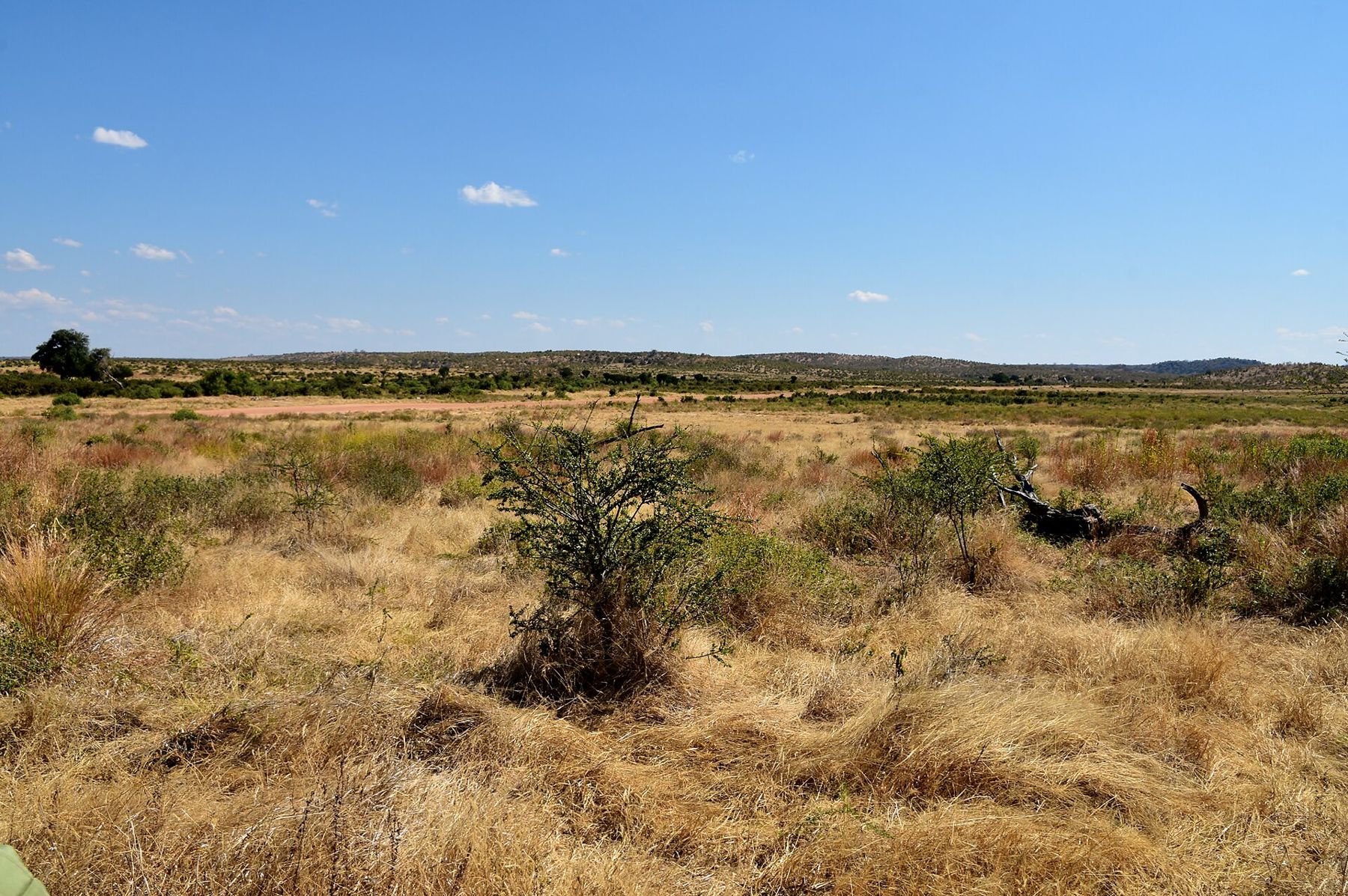
From about December to April the park turns green. Grass grows tall, trees leaf out and the bush closes in. Animals spread out because water is everywhere, so sightings take more patience. In return you get a landscape that looks completely different, with dramatic skies and fresh colour.
This is the calving and breeding time for many animals, and young impala and other antelope appear across the park. It is also the best season for birds, as migrants from Europe and Asia arrive and many resident species breed in bright plumage. The birdlife is at its richest from about November to April. The green season is also quieter and often cheaper, but travel is harder.
A rough guide through the year
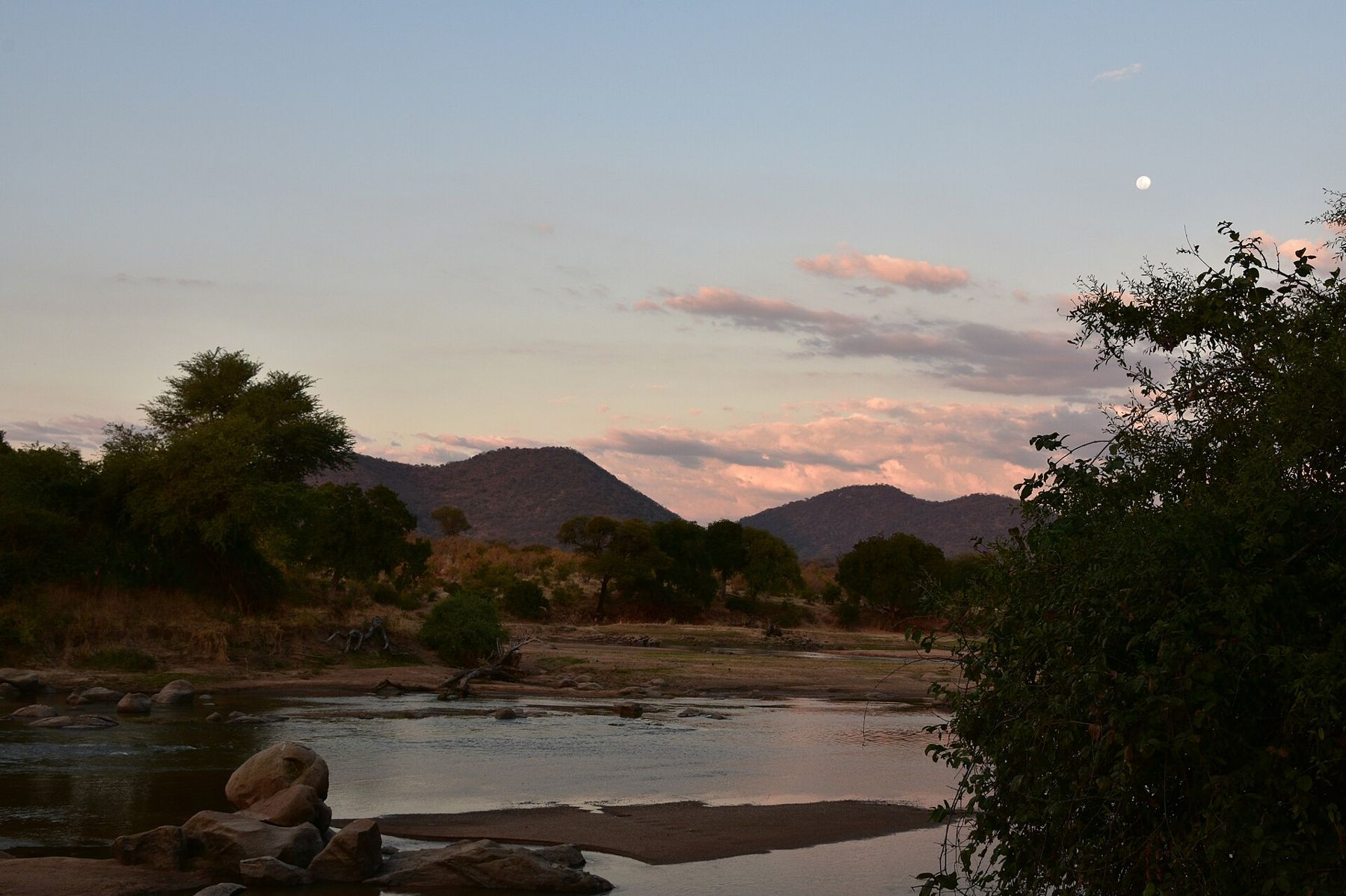
- June and July: the start of the dry season, with cool mornings, thinning bush and animals beginning to move towards permanent water.
- August and September: prime game viewing, with wildlife concentrated along the river and the sand rivers, and warming days.
- October: the hottest and driest month, with the river often reduced to pools and animals at their most concentrated.
- November and December: the short rains arrive, the first green shoots appear and migrant birds settle in.
- January and February: green and lush, with rain likely at any point and many young animals about.
- March to May: the long rains and their aftermath, the hardest time for travel and the quietest in the park.
These patterns shift from year to year, so treat the months as a guide rather than a rule.
Health and comfort in any season
Malaria is a risk in the region all year, not only in the rains. Talk to a travel health clinic before your trip about prevention, and use repellent, long sleeves and nets in the evenings.
Tsetse flies live in parts of the woodland. Their bite is painful, and they are drawn to dark colours, especially blue and black, so neutral clothes help. Keep vehicle windows closed in areas where they are active.
- Dry season: sun hat, sunscreen, light layers for cool mornings, dust cover for cameras.
- Green season: rain jacket, quick-drying clothes, waterproof bags.
- All year: binoculars, insect repellent, a refillable water bottle.
Choosing your time
If seeing large animals is your main aim, aim for July to October and accept the heat. If you prefer quiet, colour and birds, and do not mind slower travel, the green months are rewarding. June and early November can offer a middle ground, with some of the benefits of both. Whatever you choose, follow the same rules: keep your distance from animals, stay in the vehicle unless a ranger says otherwise and never feed wildlife. A walk with a ranger works in most of the year, though it depends on conditions and park rules.
Photographers and licences are listed on whose pictures these are.