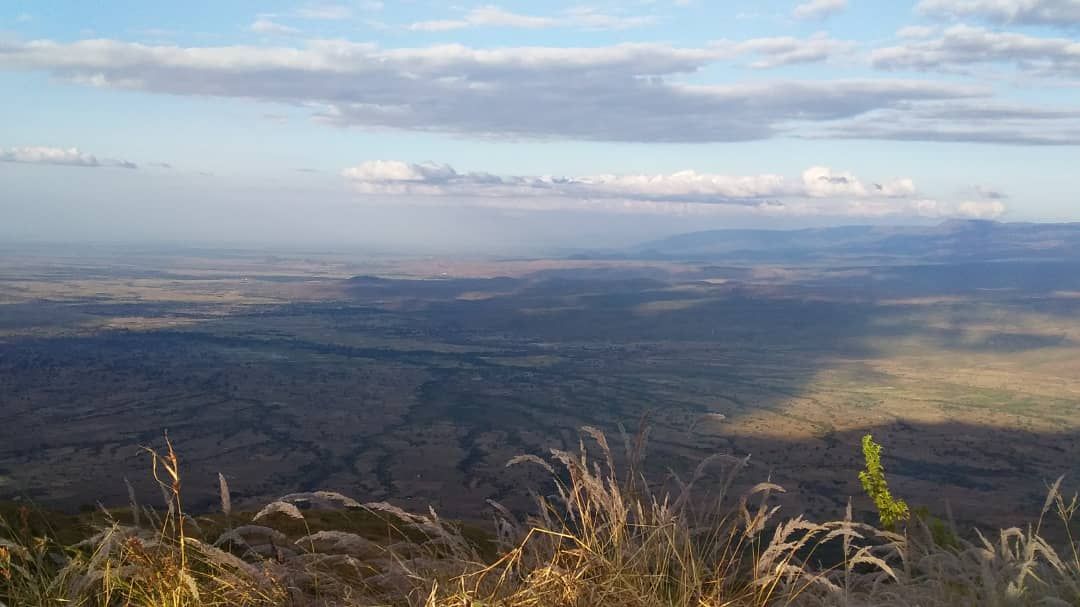
The Usangu plains, sometimes called the Usangu Flats, lie west of the main part of Ruaha National Park. They form a wide, flat basin with mountains on its southern side. Rivers come down from those highlands, spread across the plain and collect in a wetland at its heart, the Ihefu swamp. From there the water drains east and becomes the Great Ruaha River.
Few visitors reach this part of the park, and there are good reasons for that: distances are long, tracks are rough and facilities are few. Yet the plains matter to everything downstream, and knowing how they work makes sense of what you see along the river further east.
A basin below the highlands
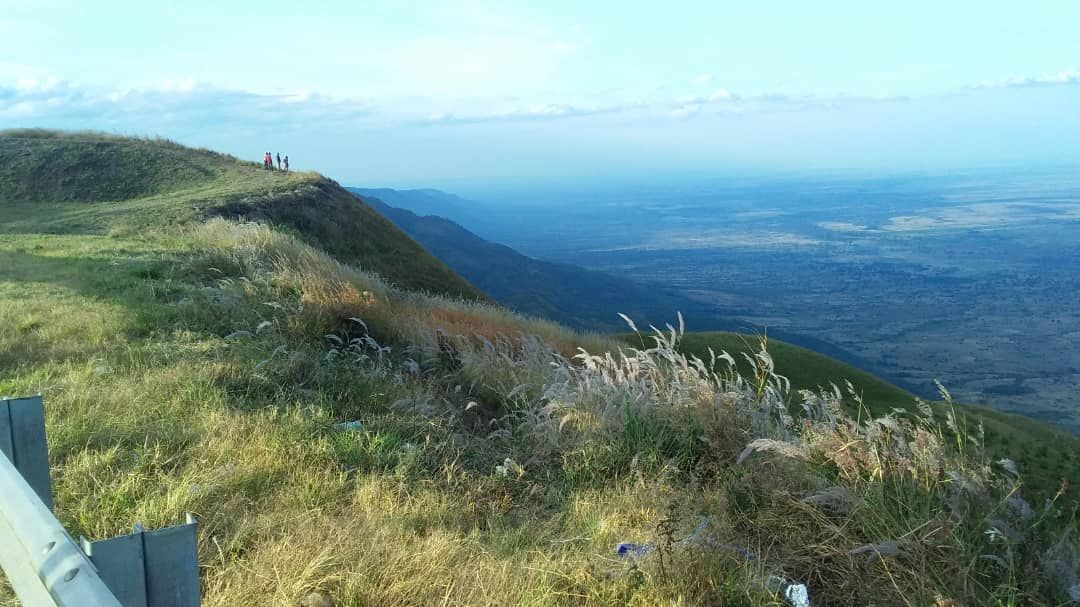
The Southern Highlands rise to the south of the plains, including the Kipengere and Poroto ranges. Rain falls heavily on these mountains, and a series of rivers carries it down onto the flat ground below. On the plain the water slows and spreads, soaking into grassland and floodplain before gathering in the lowest part of the basin.
The result is a mosaic of open grassland, seasonally flooded ground, reed beds and permanent swamp. In the wet season large areas lie under shallow water. In the dry months the floodplain shrinks back and the swamp becomes the main store of water left in the basin.
The Ihefu swamp
At the centre of the plains lies the Ihefu swamp, a permanent wetland that acts like a sponge. It takes in water from the rivers during the rains and releases it slowly through the year. That slow release is what used to keep the Great Ruaha flowing through the dry season, when the rivers coming off the highlands drop low.
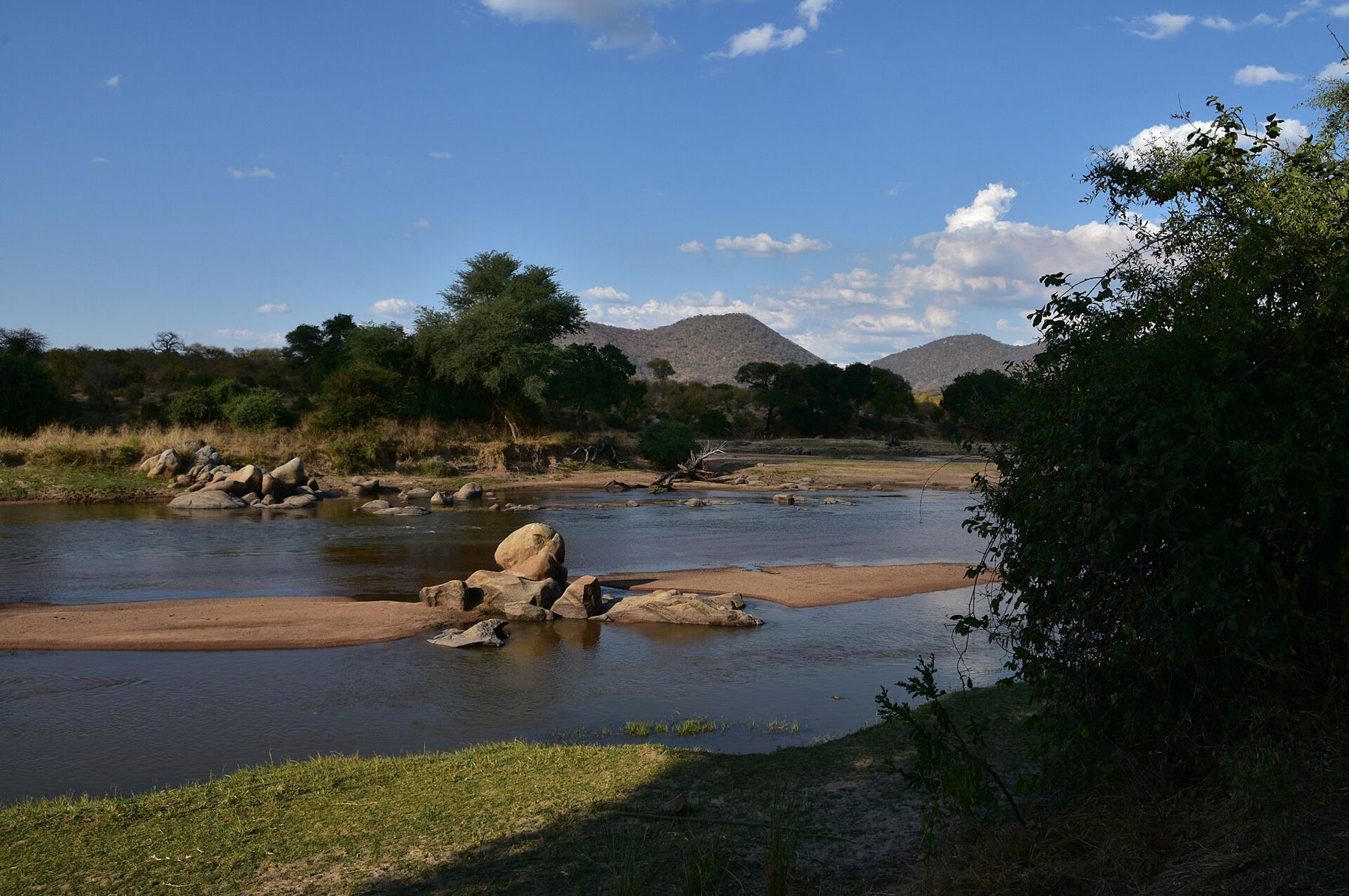
“A river that looks like a single channel inside the park is really the outflow of a whole basin far to the west.”A river that looks like a single channel inside the park is really the outflow of a whole basin far to the west. When the swamp is healthy, the river keeps running. When the swamp loses water, the effect shows up downstream within a season. ALSO IN THIS GUIDEThe Great Ruaha in the dry months
When the river stopped
The plains are also good farming country. Over the second half of the twentieth century, irrigation schemes took water from the rivers to grow rice and other crops, and large herds of cattle grazed the floodplain. Less water reached the swamp, and less left it. Since the early 1990s the Great Ruaha has stopped flowing inside the national park for weeks or months in most dry seasons, leaving a chain of pools where there was once a moving river.
The drying has knock-on effects for wildlife. Hippos and crocodiles crowd into shrinking pools, and animals that depend on the river have to travel further or dig for water in the riverbeds. The river also feeds hydroelectric dams further downstream, so the question reaches well beyond the park.
Joining the park
In 2008 the Usangu Game Reserve and the surrounding wetlands were added to Ruaha National Park, a step meant to protect the catchment that the river depends on. The extension made Ruaha one of the largest national parks in East Africa. Work to restore dry-season flow is ongoing, and it involves the people who farm and graze around the plains as well as the park authority. Progress is gradual, and the river's dry-season flow still varies from year to year.
Birds of the flats
For anyone interested in birds, the wetland is the main draw. The open water, reeds and grassland attract herons, storks, ducks, geese and waders, and the plains are one of the places in the region where wattled cranes have been recorded. Raptors hunt over the open ground, and the mix of swamp and dry grassland means two quite different sets of birds within a short distance. The wider birdlife of Ruaha adds hundreds more species in the woodland and along the river.
Going there takes planning. The western part of the park is far from the main tourist area around Msembe, and tracks can become impassable in the rains.
- Carry binoculars and, if you can, a spotting scope for distant waterbirds.
- Bring a field guide to the birds of East Africa.
- Plan your route with local advice, as conditions on the plains change quickly.
The plains repay patience rather than speed. Their scale is the thing that stays with you: a level sweep of grass and water under the mountains, and the knowledge that the river in the park begins here.
Photographers and licences are listed on whose pictures these are.