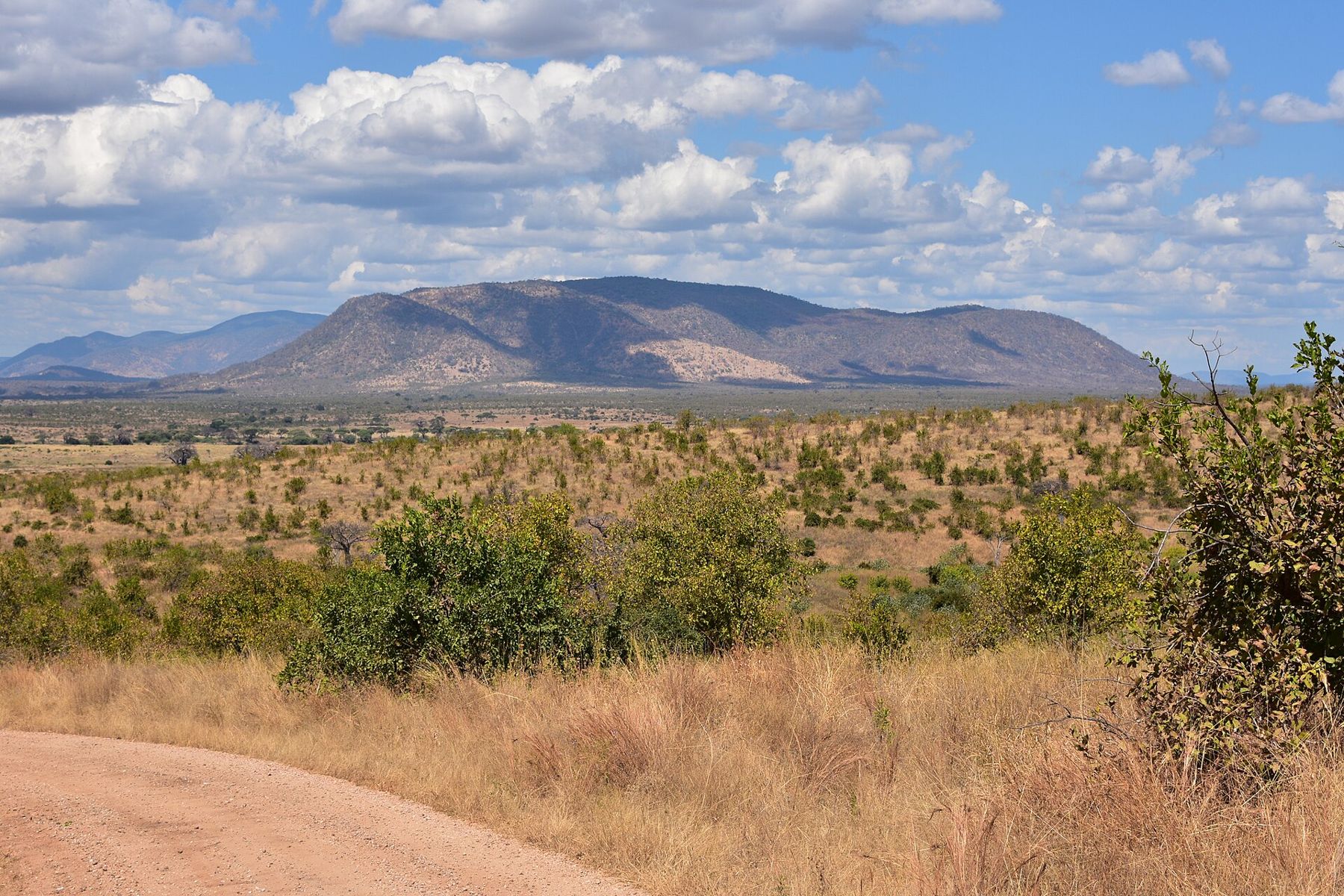
Ruaha National Park covers a huge stretch of southern-central Tanzania, roughly 20,000 square kilometres of woodland, bush, rocky hills and seasonal rivers. It takes its name from the Great Ruaha River, which runs along its south-eastern edge and draws much of the park's wildlife to its banks in the dry months. For a park of this size, it has a quiet reputation, and that is part of its appeal.
A park built in stages
The land was protected long before it became a national park. In colonial times much of it formed part of large game reserves, and in 1964 the core area was gazetted as Ruaha National Park. For decades it was already a large park, but the biggest change came in 2008, when the Usangu Game Reserve and the wetlands of the Usangu plains to the west were added. That extension made Ruaha one of the largest national parks in East Africa.
The reason for the extension was water. The river that gives the park its name depends on wetlands upstream, and bringing the Usangu plains inside the park was meant to protect that catchment. The park is managed by the national park authority, TANAPA, which sets its fees and rules.
Where it sits
The main entrance lies roughly 120 to 130 kilometres west of Iringa, the regional town on the highway between Dar es Salaam and Mbeya. The park headquarters is at Msembe, close to the Great Ruaha, and the most visited part of the park is the network of tracks along the river and the sand rivers that feed it. The western extension, by contrast, is remote and sees very few visitors.
You reach the park by road from Iringa or by light aircraft to an airstrip inside the park. Road conditions change with the seasons, and some stretches are unpaved.
Two kinds of country
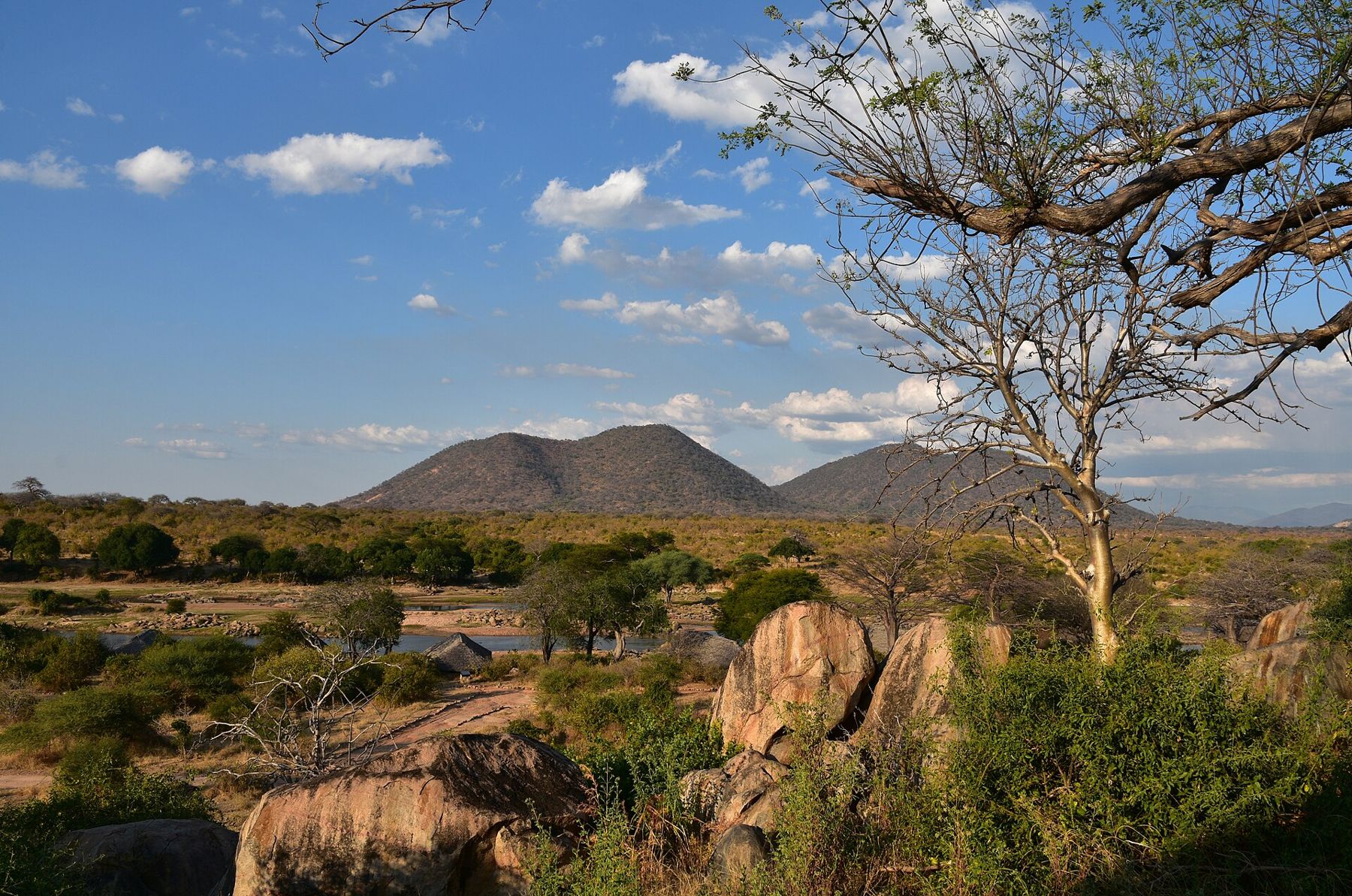
What makes Ruaha unusual is its position. Much of the higher ground is miombo woodland, the broad-leaved woodland that spreads across large parts of southern Africa. Lower down, especially near the river, it gives way to drier acacia and commiphora bush more typical of East Africa. Where the two meet, so do their animals.
That overlap means you can see species here that rarely share a park. Greater and lesser kudu both live in Ruaha, and sable and roan antelope keep to the woodland. Grant's gazelle, more often linked with the northern plains, also turns up. The park is also known for big lion prides and for elephants, and the birdlist runs to several hundred species.
The landscape changes as you move. Rocky outcrops rise out of the bush, sand rivers cut pale lines through the trees, and baobabs stand over the lower slopes with their trunks scarred by elephants. In the green months the bush closes in and the hills turn bright; in the dry months the country opens up and the river becomes the centre of everything.
ALSO IN THIS GUIDEDry season, green season: when to goFewer vehicles, more space
Ruaha is far less visited than the parks of the northern circuit, such as the Serengeti and Ngorongoro. Its distance from the main international gateways is the main reason. For you, that means fewer vehicles around a sighting and long stretches of track where yours may be the only one.
“The quiet is not a sign that there is less to see, only that fewer people make the trip.”The quiet is not a sign that there is less to see, only that fewer people make the trip. It does mean that services are thinner, distances between points are long and help can be far away, so plan fuel, water and timings with care.
Before you go
Game drives run on set tracks, and off-road driving is not allowed in most areas. Walking is possible with an armed park ranger, and a walk on foot shows you a side of the park that a vehicle cannot.
Wildlife safety is simple and strict. Keep your distance from animals, stay in the vehicle unless a ranger tells you otherwise, and never feed any animal. Elephants and buffalo deserve particular respect at close range.
- Bring binoculars: many animals and most birds are best seen at a distance.
- Pack neutral clothes and a warm layer for early mornings in the cooler months.
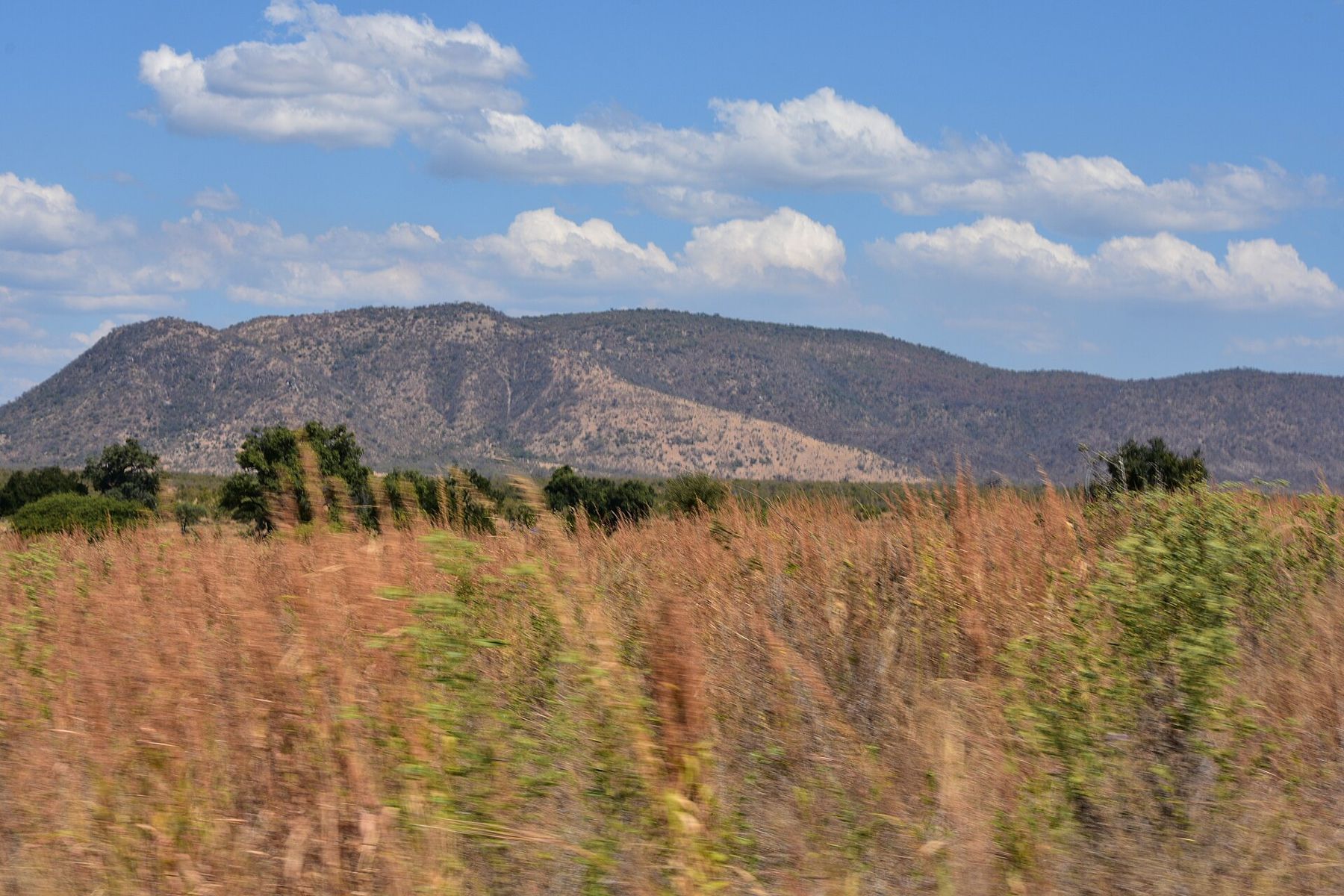
Most people come through Iringa town, which makes a sensible base for the night before and after the drive in. From there the road drops off the highlands and the country grows hotter and drier with every hour, until the first baobabs appear and you know you are close.
Photographers and licences are listed on whose pictures these are.